April 7, 2026
Framing is the structural backbone of any residential build, shaping everything from load distribution to long-term durability. When evaluating framing options, two materials dominate the conversation: metal and wood. Each comes with distinct structural behaviors, cost implications, and performance characteristics that influence design decisions and project outcomes.
Understanding how these materials compare helps clarify which approach aligns best with architectural goals, environmental conditions, and budget constraints. This overview breaks down the key differences between metal and wood framing, with a focus on how each supports modern custom frames in residential construction.
Comparing Structural Performance
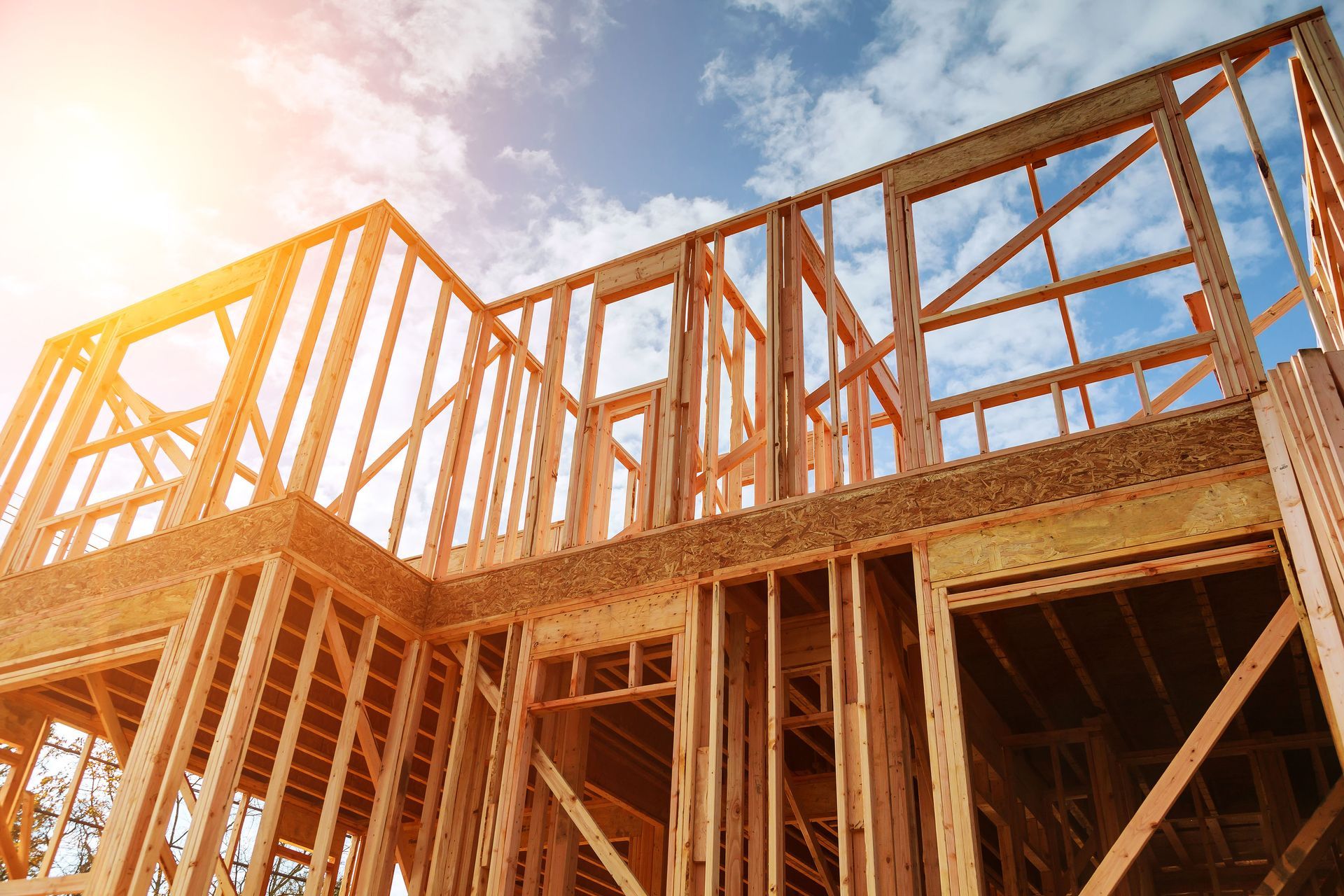
The structural integrity of a home begins with how well its framing system handles loads and stress over time. Wood framing has long been the standard in residential construction due to its natural strength-to-weight ratio and flexibility. It performs well under typical residential loads and can absorb minor shifts without immediate failure.
Metal framing, typically made from steel, offers high tensile strength and dimensional stability. It resists warping, twisting, and shrinking, which can be advantageous in climates with fluctuating humidity. Steel framing components are manufactured to precise specifications, contributing to consistent structural performance across the build.
For custom frames, the choice often depends on design complexity. Wood allows easier field adjustments, while metal provides predictable, engineered consistency.
Evaluating Durability and Longevity
Durability is a critical factor when selecting framing materials, especially in regions prone to moisture, pests, or extreme weather. Wood is susceptible to rot, mold, and insect damage if not properly treated and maintained. Over time, these vulnerabilities can impact structural integrity.
Metal framing is inherently resistant to termites, rot, and mildew. It does not absorb moisture, which reduces the risk of degradation in humid environments. However, metal can corrode if exposed to water without proper protective coatings.
When designing custom frames, longevity considerations often guide material selection. Steel framing may offer an advantage in high-moisture areas, while wood remains viable when appropriate protective measures are integrated into the build.
Analyzing Cost Considerations
Cost remains one of the most influential factors in construction decisions. Wood framing is generally more cost-effective upfront due to widespread availability and lower material costs. Labor costs can also be lower, as many contractors are highly familiar with wood framing techniques.
Metal framing tends to have higher initial material costs. Additionally, labor may be more specialized, which can increase overall project expenses. However, long-term cost factors, such as reduced maintenance or fewer repairs, can offset the initial investment.
For projects involving custom frames, cost analysis should extend beyond material pricing to include lifecycle expenses and performance over time.
Assessing Construction Timelines
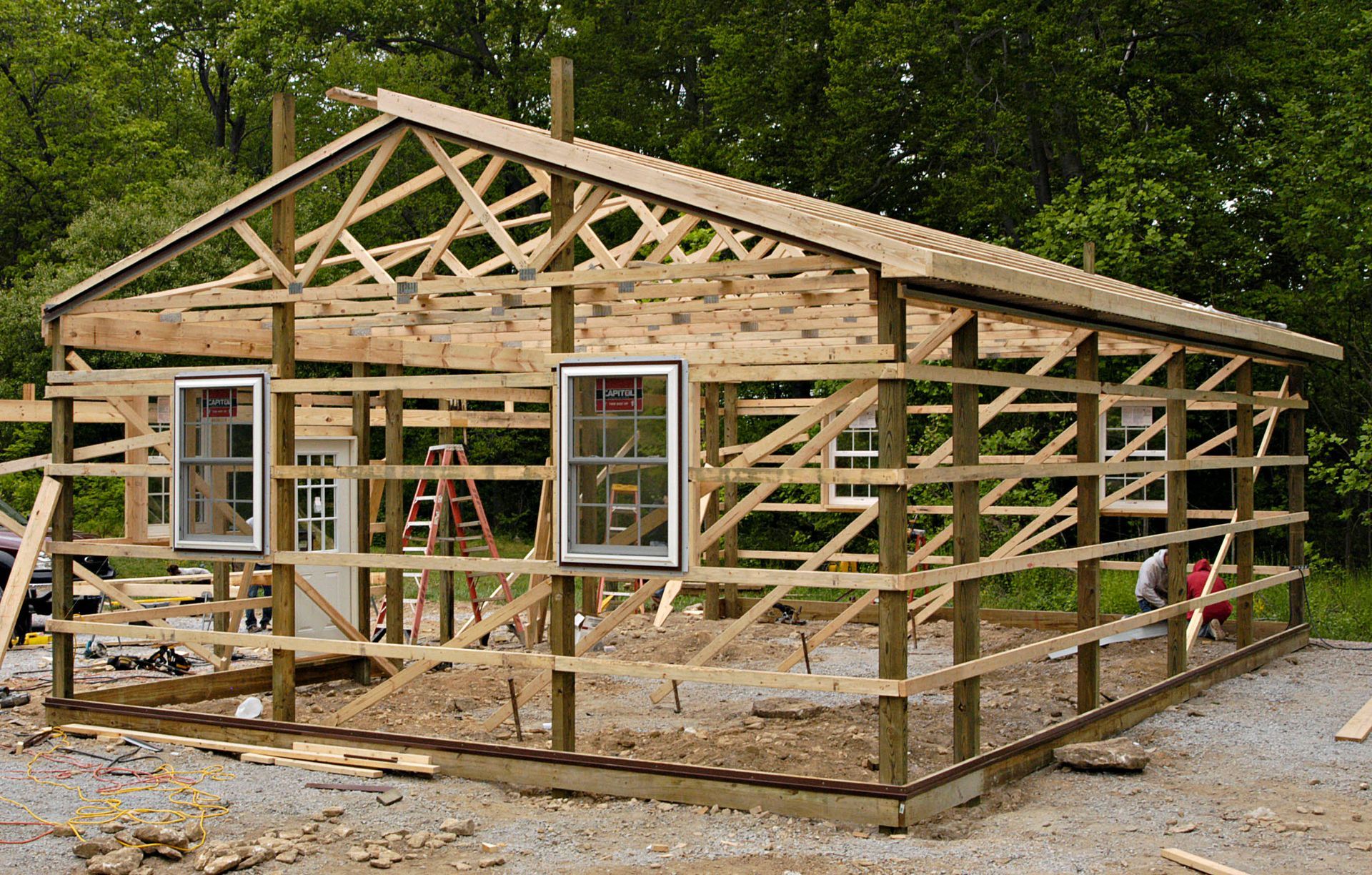
Construction speed can impact both project budgets and scheduling. Wood framing is often faster to install due to its adaptability and ease of handling on-site. Crews can make adjustments quickly without specialized tools, which supports efficient progress.
According to HomeGuide, framing a timber house takes an average of 30 to 60 days, including roof framing.
Metal framing, while precise, may require more planning and coordination. Prefabricated components can streamline certain phases, but installation often demands careful alignment and fastening.
For custom frames, the timeline may vary depending on design complexity. Wood typically allows faster modifications, while metal benefits from detailed planning before construction.
Considering Design Flexibility
Architectural creativity often hinges on the flexibility of the framing system. Wood framing offers significant versatility, making it easier to accommodate unique layouts, curves, and adjustments during construction. This adaptability supports a wide range of residential styles.
Metal framing provides strength for longer spans and open floor plans. It can support modern designs that require fewer load-bearing walls. However, modifications after fabrication can be more complex compared to wood.
In the context of custom frames, both materials can achieve distinctive designs, but the process differs. Wood favors on-site adaptability, while metal aligns with precision-driven planning.
Reviewing Environmental Impact
Sustainability is increasingly influencing construction decisions. Wood is a renewable resource when sourced responsibly, and it has a lower embodied energy compared to steel. It also acts as a natural carbon sink, storing carbon throughout its lifecycle.
Metal framing, particularly steel, is highly recyclable. Many steel framing components contain recycled material, which reduces the demand for new raw resources. However, steel production is energy-intensive, contributing to a larger carbon footprint during manufacturing.
For environmentally conscious custom frames, the decision may involve balancing renewable sourcing with long-term performance.
Examining Fire Resistance
Another critical factor in residential framing is fire resistance. Wood is combustible, though it can be treated with fire-retardant chemicals to improve its performance. In a fire event, wood may char, which can slow structural failure to some extent.
Metal framing is non-combustible, which can reduce fire risk. However, extreme heat can weaken steel, potentially leading to structural compromise if temperatures rise significantly.
When planning custom frames, fire safety strategies should account for the material's behavior under high temperatures and integrate appropriate protective systems.
Understanding Maintenance Requirements
Maintenance plays a role in the long-term performance of framing materials. Wood framing may require periodic inspections for signs of moisture intrusion, pest activity, or structural movement. Preventative treatments and proper sealing can extend its lifespan.
Metal framing generally requires less routine maintenance. Its resistance to pests and moisture reduces the likelihood of common structural issues. However, monitoring for corrosion, particularly in coastal or humid environments, remains important.
For custom frames, maintenance expectations should align with the chosen material and the environmental conditions of the build site.
Weighing Acoustic and Thermal Properties
Comfort within a home is influenced by how well the structure manages sound and temperature. Wood has natural insulating properties, which can contribute to better thermal efficiency. It also dampens sound more effectively, reducing noise transfer between spaces.
Metal framing conducts heat more readily, which can impact energy efficiency if not properly insulated. Thermal bridging is a known concern with steel framing, requiring additional design considerations to maintain indoor comfort.
When designing custom frames, integrating insulation strategies is essential, particularly when working with metal framing systems.
Aligning Material Choice with Project Goals
Selecting between metal and wood framing is not a one-size-fits-all decision. Each material offers advantages that align with different priorities, whether those involve cost control, durability, design flexibility, or environmental considerations.
Wood framing continues to be a practical and widely used option for many residential builds, particularly when adaptability and cost efficiency are priorities. Metal framing provides strength, consistency, and resistance to environmental factors, making it suitable for projects requiring long-term durability and precision.
For projects centered around custom frames, the decision should reflect the specific demands of the design, site conditions, and long-term performance expectations.
Choosing between metal and wood framing ultimately comes down to balancing structural needs, environmental conditions, and project scope. Both materials can support high-quality residential construction when applied thoughtfully within the design and planning process, particularly when factoring in regional climate demands, material availability, and long-term performance expectations.
For homeowners and developers who are planning custom frames, working with a qualified construction professional can help translate design goals into a durable, efficient structure that aligns with long-term expectations. To discuss how custom frames can be tailored to your next project, reach out to Arrow Construction & Design, LLC today! Our team is eager to discuss your ideas, offer advice, and create a framing solution that fits your needs perfectly.