January 13, 2026
Interior design plays a crucial role in determining both the aesthetic appeal and market value of a property. By thoughtfully considering elements such as layout, color palette, and functional design features, homeowners can enhance not only the visual impact but also the monetary worth of their properties. These are some various strategies through which interior design can be used to increase a property's value, offering insights into practical applications, emerging trends in the field, and how professional interior design services can elevate results even further.
Interior design transcends mere decoration by altering how a space feels and functions. Through strategic design choices, we can make spaces look more inviting, organized, and larger, contributing directly to perceived and appraised value. With thoughtful planning supported by experienced interior design services, every room can serve a purpose while maintaining visual balance and cohesion throughout the home.
These are some key areas of interior design that have proven to enhance a property's value. Each section tackles fundamental strategies—ranging from maximizing space efficiency to staying updated with trends—to help you transform your living space effectively. Whether you plan to sell now or in the future, these design elements can ensure your property stands out.
1. Enhancing Curb Appeal
The first impression of a home begins with its exterior, making curb appeal a critical component of interior design strategies aimed at increasing property value. A well-selected color palette can refresh a home's facade, making it appear more modern and inviting. Neutral and earthy tones tend to be favored, as they appeal to a broad audience and provide a lasting appeal that does not quickly become outdated.
Exterior lighting solutions not only improve security but also accentuate the architectural features of the home. Strategically placed lights can create a welcoming ambiance and highlight areas such as walkways and trees, adding drama and a touch of elegance. Pairing good lighting with thoughtful designs for entryways and doors can significantly enhance the home's entry experience.
2. Maximizing Space Efficiency
Maximizing space within a property can significantly enhance its perceived value. Open floor plans are popular, as they facilitate a seamless flow between spaces, making areas look larger and more inviting. This modern design approach is especially favored in smaller homes where optimizing every square foot is crucial.
Further enhancing efficiency, multi-functional furniture pieces provide practical solutions to space constraints. For instance, a sofa that converts into a bed or a coffee table that doubles as storage is valuable in maximizing limited spaces. According to House Beautiful, designers often work with as many as 50 different vendors per project to source such innovative solutions, ensuring each piece serves a dual purpose without compromising style.
Clever storage solutions, such as built-in cabinets and under-stair storage, also contribute to a home's functionality. These additions not only organize spaces but also maintain a clutter-free environment that appeals to potential buyers. Additionally, optimizing room layouts ensures that each area in the home is used to its full potential, reducing wasted space and showcasing the impact of expert interior design services.
3. Implementing Energy-Efficient Improvements
The integration of energy-efficient improvements is an increasingly important aspect of modern interior design. Energy-efficient lighting reduces energy consumption and enhances the aesthetic value of interiors with versatile lighting options. This change attracts buyers who prioritize sustainability without sacrificing style.
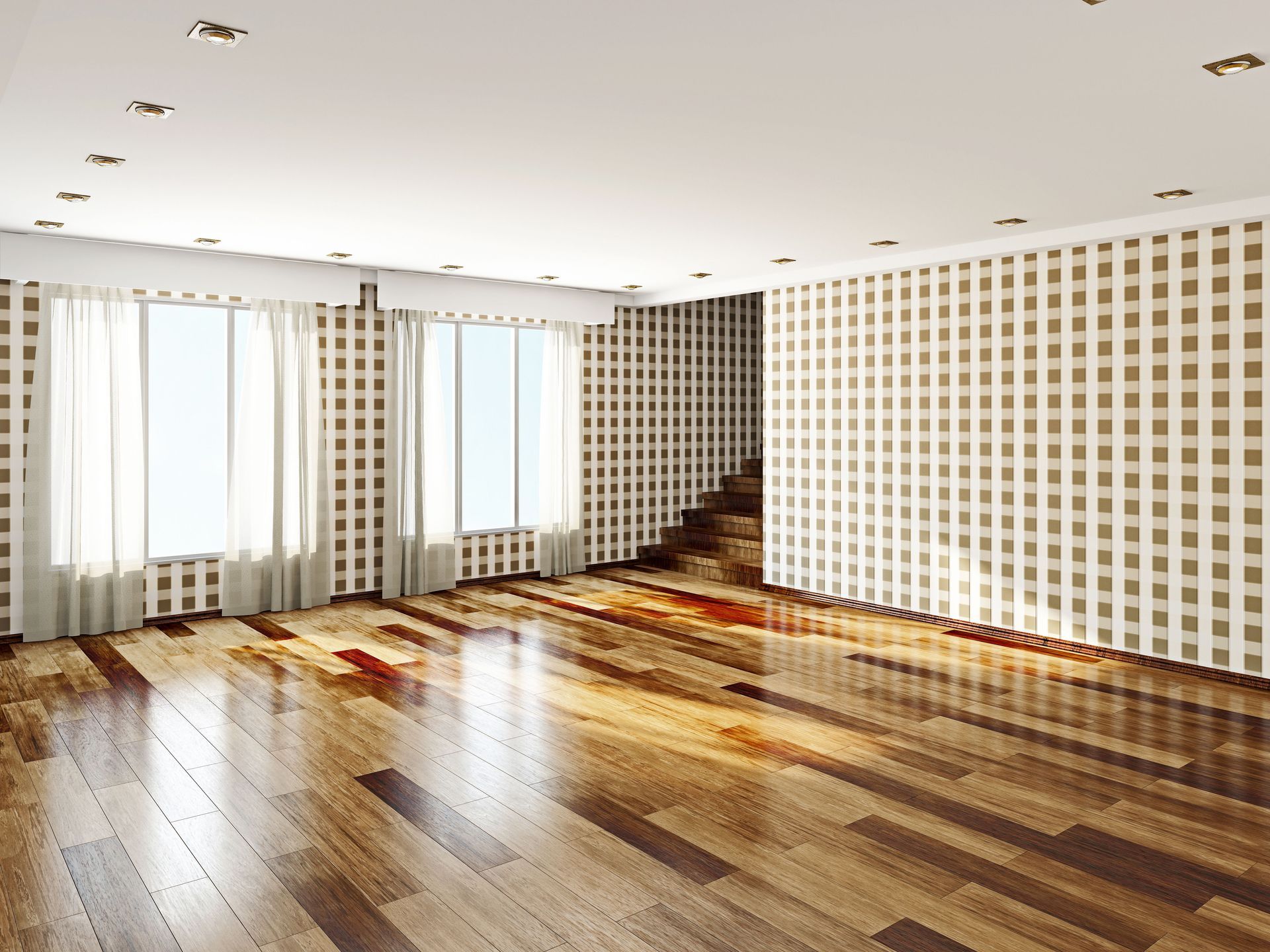
Insulation upgrades are another smart investment, improving heating and cooling efficiency and boosting property value. By maintaining comfortable indoor temperatures, insulation minimizes energy waste, making homes more appealing to eco-conscious buyers. Alongside insulation, sustainable flooring options such as bamboo or reclaimed wood further enhance the eco-friendly appeal.
The incorporation of smart home technology, such as automated lighting and thermostat systems, caters to modern buyer preferences for convenience and control. As technology becomes integral to daily life, homes that seamlessly integrate these systems tend to perform better on the market. Likewise, efficient heating and cooling systems provide long-term benefits, making them a strong selling point.
4. Enhancing Aesthetic Appeal
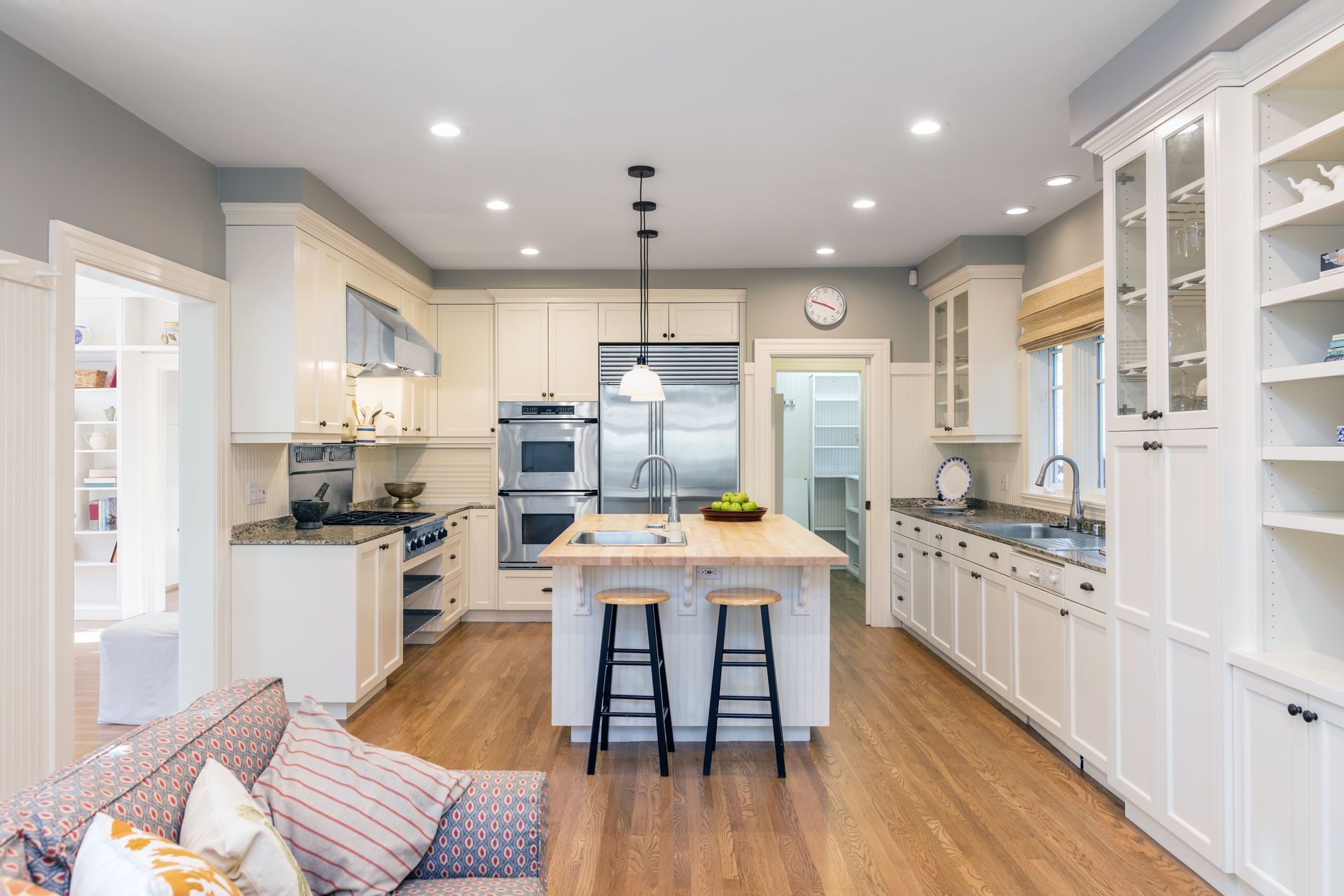
Aesthetic appeal is a key factor in attracting potential homebuyers and can be significantly enhanced through thoughtful interior design. Updating kitchens and bathrooms with modern fixtures and high-quality finishes can dramatically reshape perceived property value. These rooms tend to be focal points for buyers, making their improvements particularly impactful.
Embracing minimalist design principles can also elevate a home's aesthetic appeal. By reducing clutter and focusing on clean lines, minimalist designs create calming, spacious environments that appeal broadly to buyers. This approach often incorporates high-quality materials that stand out for their craftsmanship and longevity.
Incorporating art and decor strategically enhances a space’s charm while reflecting personal style. Balance is essential: personalized yet neutral design choices create an appealing presentation that helps buyers envision themselves living in the space. High-quality materials in finishes and furnishings convey luxury and intentional curation, making interior design services especially beneficial here.
5. Improving Functionality and Flow
Functionality is closely tied to how a property is perceived, with seamless flow significantly impacting everyday usability. Addressing traffic patterns within a home ensures smooth transitions between spaces, enhancing both function and comfort. Transition areas like hallways should be spacious enough to accommodate frequent use, while maintaining visual appeal.
Functional zones created within open plans cater to different activities, improving overall livability. These zones designate areas for dining, relaxing, entertaining, or working while maintaining the spaciousness of an open layout. Careful space delineation can be achieved through furniture placement and area rugs rather than physical barriers.
Improving accessibility within the home further enhances practicality, especially for families with diverse needs. Features such as wider doorways, stepless entry points, and accessible bathroom fixtures make homes more user-friendly for all ages and abilities. Integrated technology and thoughtful layouts continue to support daily comfort and usability.
6. Staying Updated With Trends
Keeping design choices current with evolving trends helps maintain a property's relevance and desirability in the market. Regular updates to a home's color palette ensure interiors feel fresh and modern, which can significantly influence buyer perception. Staying informed about popular styles and shades helps guide these decisions effectively.
Understanding buyer preferences is equally important when deciding which styles to implement. From rustic charm to sleek contemporary designs, recognizing trending styles allows homeowners to update spaces in a way that resonates with the market. However, while trends matter, it remains essential to balance them with timeless design principles to avoid creating interiors that quickly feel outdated.
Engaging professional guidance, such as interior design services, can be invaluable during this process. Designers often possess insights into current and upcoming trends and can collaborate with numerous vendors to achieve a cohesive aesthetic. By navigating trends with expert advice, homeowners ensure a personalized touch that aligns with broader buyer expectations.
Strategic interior design is a powerful tool for enhancing both the functional and market value of any property. By focusing on key elements such as curb appeal, space efficiency, energy improvements, aesthetic enhancements, and overall functionality, homeowners can create inviting and valuable living spaces.
Investing in thoughtful design solutions not only enhances immediate enjoyment of a home but also boosts long-term value. Working with professional interior design services can further refine these improvements by ensuring cohesive, impactful upgrades tailored to your unique space. Ultimately, interior design is not just about decoration—it is a meaningful process that significantly boosts a property's desirability, livability, and appeal. For all of your interior design needs, contact Arrow Construction & Design, LLC today!